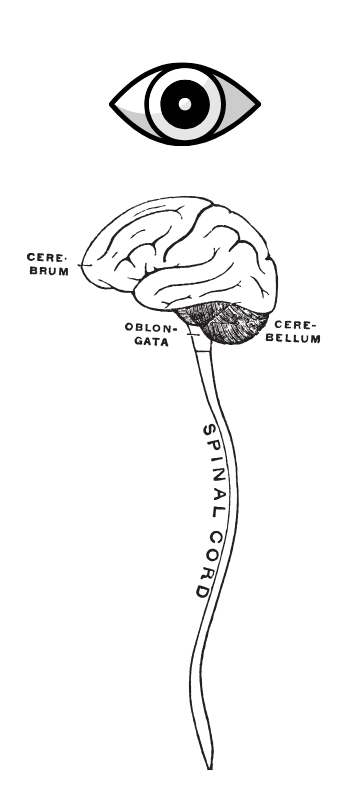
Neuromyelitis Optica (NMO), also called Devic’s Disease or Neuromyelitis Optica Spectrum Disorders (NMOSD), is a rare and serious chronic autoimmune neurological disease that affects the central nervous system.
Characterized by inflammatory lesions primarily in the optic nerves, spinal cord, and brain, it occurs when the body’s own defense system, which should protect us, ends up attacking us.
Because of this, inflammations arise in the form of flare-ups or crises, which can recur throughout life.
The main types of inflammation are:
✔️ Optic Neuritis – Inflammation of the optic nerve, causing blurred vision or even partial or total vision loss.
✔️ Myelitis – Inflammation of the spinal cord, which can cause muscle weakness and motor difficulties.
✔️ Area Postrema Syndrome – Inflammation in a specific region of the brain, causing nausea, intractable vomiting, and persistent hiccups.
Symptoms can vary from person to person. Even so, all people with NMOSD experience at least one episode of inflammation in the optic nerve or spinal cord.
The most common signs include:
Symptoms can often lead to confusion with other diseases, especially Multiple Sclerosis (MS), but treatments can be quite different. Therefore, a correct diagnosis is essential.
A single flare-up can cause permanent sequelae and, in severe cases, can even lead to death. In other cases, the person may go years without experiencing new relapses. The disease is unpredictable, so medical follow-up is essential.
The main goal of treating Neuromyelitis Optica is to reduce the frequency and severity of relapses, helping to protect the nervous system and improve quality of life.
Because NMOSD is a chronic disease, treatment is usually long-term and always monitored by a neurologist.
NMOSD treatment occurs in two main stages:
1️⃣ Treatment of relapses (which is what worsening of the disease is called)
When a relapse occurs, it is important to act quickly to control the inflammation.
The main treatments are:
📌 Pulse therapy with corticosteroids – Intravenous infusion of high doses of the medication to reduce inflammation.
📌 Plasmapheresis – Blood filtration process to remove inflammatory proteins.
📌 Other medications may be prescribed by the neurologist, depending on each case.
2️⃣ Maintenance Treatment (Prevention of Relapses)
This phase aims to prevent new flare-ups and protect the nervous system over time.
It may include:
📌 Immunosuppressants – Medications that reduce the activity of the immune system to prevent new flare-ups.
📌 Biological agents – More modern and advanced treatments that act directly on the disease mechanisms.
📌 Supportive therapies – Such as physiotherapy, ophthalmological follow-up, and psychological support.
Each person responds differently to the disease and treatment. Therefore, the plan must be individualized, defined by the neurologist according to the needs of each patient.
📢 If you or someone close to you has symptoms of NMOSD, see a neurologist! The faster the diagnosis, the greater the chances of effective treatment, disease control, and a life with fewer sequelae and more quality!
NMOSD is a rare disease; when we talk about it, more people have access to information and diagnoses can be made more quickly, reducing the sequelae that, in most cases, can be permanent.
In this journey, we also seek to make society understand what patients go through and to have more empathy.
Many patients present with NEUROPATHIC PAIN and CHRONIC FATIGUE, sequelae that are difficult to explain, considered invisible, but which bring serious consequences for the person who experiences them.
As a practical and unifying communication tool, we suggest the shared use of the hashtag #NMOSDWorldDay in campaigns, materials, and social media platforms to help connect initiatives globally and increase visibility.
Through this collaborative effort, we can develop joint activities around this date and, in the future, move towards a joint declaration supporting the official recognition of World Neuromyelitis Optica Awareness Day.
By supporting this initiative, you will contribute to:
March is NMOSD Awareness Month and an opportunity to spread information about this rare and highly debilitating autoimmune disease and support those affected by it worldwide.
March is already recognized and worked on as Neuromyelitis Optica Awareness Month in several countries individually.
Various organizations, patient advocacy and support groups have been involved in disseminating information worldwide, especially during this month.
In 2026, some of these organizations joined forces to strengthen the movement and create WORLD NMOSD AWARENESS DAY, to be celebrated on MARCH 27th, further reinforcing the voice, the fight for rights, and the aspirations of people living with this disease.
This initiative does not seek to create a new date, but rather to consolidate and internationalize an existing one, promoting consistency, visibility, and global coordination.